Part 34 of an intermittent series where I read or re-read the writing books on my shelf to see if they’re worth keeping. See previous part here and Index of all books here.
Milford Science Fiction Writers have also been serialising this set of blog-posts, they’re good people, you should check them out.
And just like that two months fly past and despite all my best intentions to do a monthly post here we are.
The last one of these was in September apparently and yet I find that I’ve not made as much progress as I’d expect. I guess I need to knuckle down and start knocking down that wall of books I see above my desk.
I appear to have only read five writing books since September, which although that’s one per month (ish) it’s a rate that would see my wall of books reduced to one shelf-worth only after several years of effort. And as pointed out last time, I’ve been at this half a decade already. Perhaps like the apocryphal painting of the Forth bridge it is to be an endless task?
Anyway, on to the books
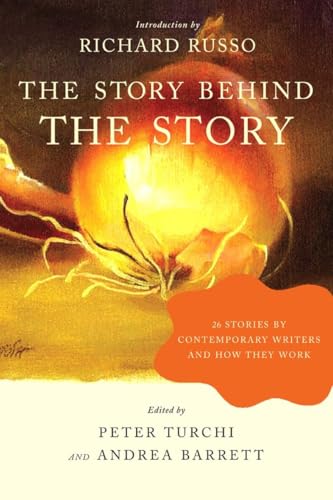
I purchased several books of this ilk (another two in this post) which show the decisions writers make in editing their own work. Or, in creating it in the first place. While interesting I found the three books herein ultimately of little use in my own writing and donated them to the book swap table at BristolCon. This was a book of short stories with an essay by each author. A mixed bag.
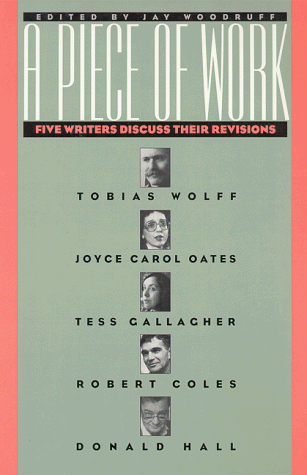
This was better but still a mixed bag, I’ve seen some reviews saying that Oates hid her process, but I feel that it is just that she had a different process to some of the other authors within. I found reading the same piece of work several times with the changes made in editing less educational than I hoped.
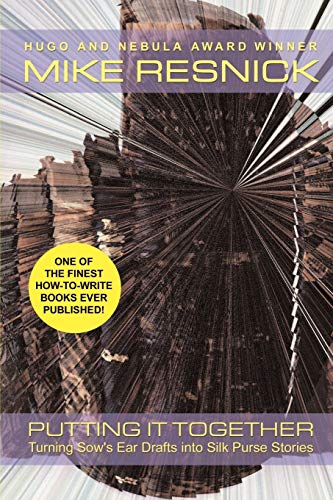
Re-reading different versions of the same stories was 90% of what this book offered. Again less useful to me than I expected. I think in order to be useful you’d have to hold the previous version very strongly in mind. I have a fire and forget style of thinking (often more forget than fire) and therefore this style of book is not for me. But at least I know that now, and that’s useful.
I re-read Lu Chi’s Wen Fu in preparation for reading another book expanding on Lu Chi’s prose poem (as noted when I read this previously the work is pretty short). I’ve now moved on to that book – The Art of Letters by E R Hughes which is a discussion of the Wen Fu.
The final book I read was in a different vein and one that I must return to in order to do the exercises (I never seem to do the writing exercises in a writing book the first time I read it).
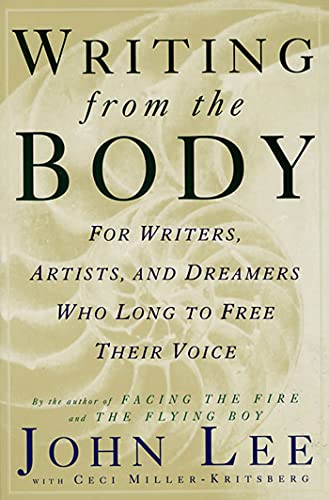
This comes from an interesting place – in that bodywork and writing are aligned. I’ve not read The Body Keeps the Score, but I feel that what it says (based on reviews) and what this book says are very similar. Lee here advocates freeing the body to write more freely, which seems to make sense. When I do the exercises I’ll know if that’s really the case.
I aim to be more disciplined in reducing the writing books down to one shelf. But I leave you with some lines from the Wen Fu.
Even disciplined feeling
Leads nowhere
Unless there is also refinement.
Drop a comment with your favourite writing book or tip here or email me via the Contact page. If you’re a publisher or Indie Author and would like me to review your writing book drop me a line!
 petewsutton
One thought on “Writing About Writing About Writing 35”